Water Damage Cleanup Safety Guide: Protecting Your Home and Health
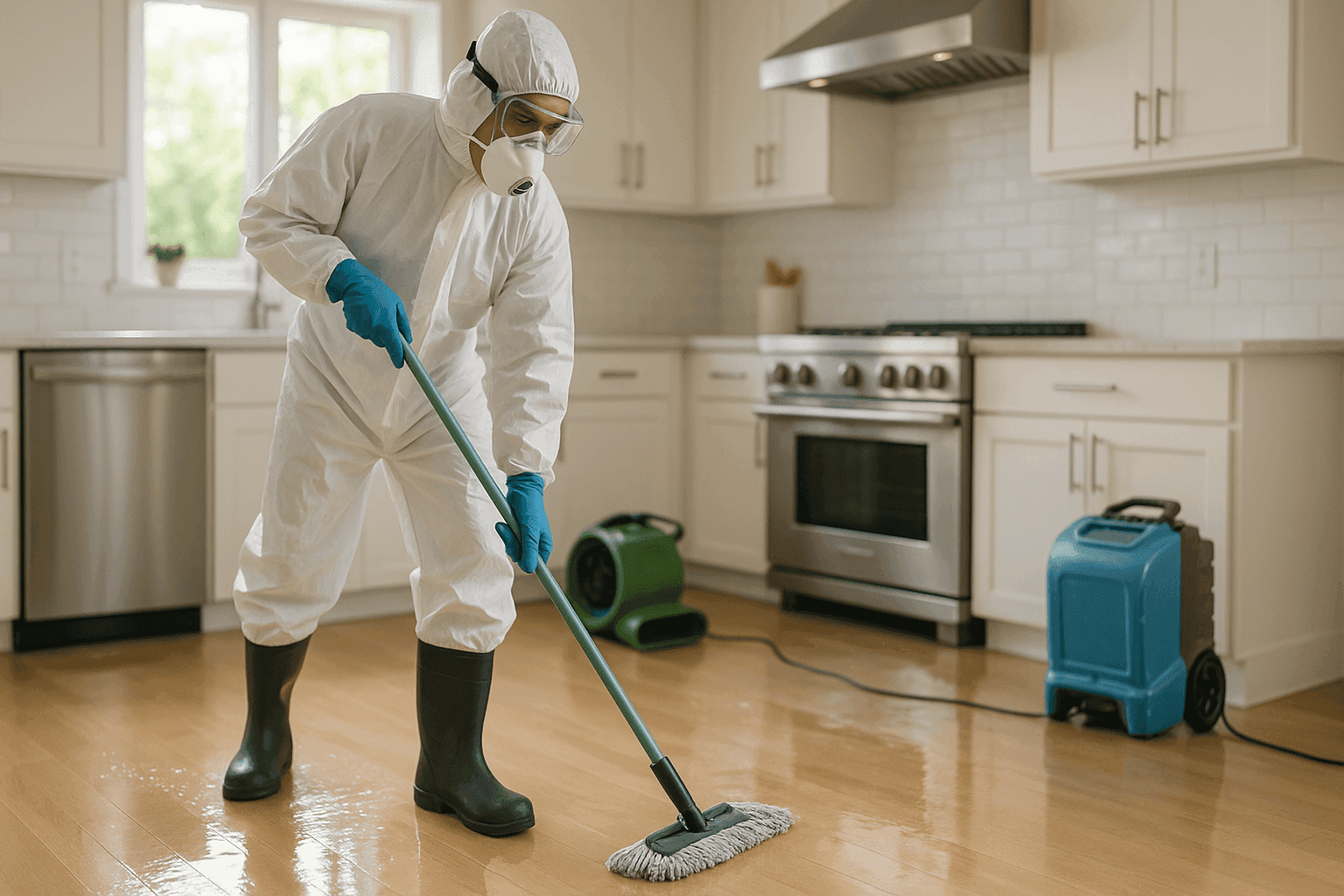
Water pouring into your home isn’t just inconvenient. It’s overwhelming. In a matter of minutes, a burst pipe or storm flood can ruin floors, walls, and your sense of safety. You want your space back—fast. But before you grab a mop, it’s critical to know: water damage cleanup is about much more than drying out.
At Origin Water Pros, we know how urgent emergency water_damage feels. We also know that health and safety come first. This guide arms you with the facts, expert tips, and clear warnings you need to protect your home, your family, and yourself.
Understanding Health and Structural Hazards ⚠️
Water damage isn’t just about puddles. It’s like a hidden iceberg—what you see is only a small part of the risk.
- Mold starts growing in as little as 24–48 hours. Spores can trigger allergies, asthma, or worse (CDC).
- Sewage and stormwater carry bacteria and viruses that cause serious infections (EPA, CDC).
- Wet structures can collapse. Water weakens wood, drywall, and flooring—sometimes suddenly.
- Electrical wiring may be exposed or submerged. This creates a shock or fire hazard, even if the power is off.
Never treat water damage as just a cleaning job. If you’re unsure about safety, stop and call for professional help.
Personal Protective Equipment (PPE) Basics
Cleaning up after water damage isn’t like tackling a dusty garage. Think of PPE as your armor in a battle against invisible threats.
Basic PPE for homeowners:
- Waterproof gloves (nitrile or rubber)
- Sturdy waterproof boots
- N95 mask or better (especially if mold or sewage is present)
- Long sleeves and pants (preferably disposable coveralls)
- Eye protection (goggles or safety glasses)
Pro tip: Change out of contaminated clothing as soon as possible. Wash hands and exposed skin carefully—like scrubbing off invisible paint.
If you don’t have the right PPE, do not enter flooded or contaminated areas. The risks aren’t worth it.
Safe Cleanup Steps for Different Water Types
Not all water is created equal. The color may not tell the whole story—but the source absolutely does.
Clean Water (Category 1)
- Source: Broken pipe, supply line, rainwater (not contaminated).
- Precautions: Still use PPE. Remove standing water quickly. Dry surfaces within 24–48 hours to prevent mold.
- Dispose of: Carpets, drywall, or insulation that stay wet longer than 48 hours.
Gray Water (Category 2)
- Source: Washing machines, dishwashers, aquariums, sump pump failures.
- Hazards: May contain microbes, chemicals, or debris.
- Precautions: Wear full PPE. Avoid skin contact. Disinfect surfaces after removal.
- Dispose of: Porous items (carpet, fabric) exposed to gray water.
Black Water (Category 3: Sewage, Floodwater)
- Source: Sewage backups, river or storm flooding.
- Hazards: Bacteria, viruses, parasites, toxic chemicals.
- Precautions: Only enter with full professional-grade PPE. If more than a few square feet are affected, call a certified water damage pro.
- Do not attempt: DIY cleanup for sewage or floodwater. The health risks are severe.
CDC Guidance: Treat all floodwater as potentially contaminated. Even “clear” water from a storm may carry sewage or chemicals.
Dealing with Electrical and Structural Dangers
Electricity and water never mix. Even a small puddle can hide a live wire.
- If you suspect water near outlets or wiring, do not step in.
- Turn off power at the main breaker only if you can reach it safely and dry.
- If the breaker is wet or you’re unsure, stay away. Wait for professionals with the right tools.
Structural Red Flags
- Sagging ceilings or floors
- Warped or buckling walls
- Cracks appearing suddenly
- Doors or windows that won’t open
Treat these like warning signs on a bridge. Don’t enter until a pro says it’s safe.
When to Call Professionals
Some cleanup jobs are like changing a lightbulb. Others are like rewiring your whole house—leave them to experts.
Call Origin Water Pros immediately if:
- Water is from sewage, flooding, or unknown sources
- More than a small area of carpet, wall, or ceiling is wet
- Mold is visible or you smell a musty odor
- Electricity may be affected
- You or a family member have health risks (asthma, weakened immune system, allergies)
Professionals bring:
- Advanced moisture meters (for moisture mapping)
- Industrial dryers and dehumidifiers
- Full PPE and EPA-registered disinfectants
- Structural repair and content restoration expertise
We handle the dangers so you don’t have to.
Quick Safety Checklist
- [ ] Identify the water source (clean, gray, black)
- [ ] Wear proper PPE before entering any affected area
- [ ] Turn off power if safe to do so
- [ ] Avoid direct contact with standing water
- [ ] Move valuables and contents only if it’s safe
- [ ] Call for emergency water_damage help for sewage, electrical, or large losses
Emergency Scenarios: What to Watch For
Storm Flooding
- Floodwaters rise fast—don’t wait for it to “pass.”
- All floodwater is considered hazardous (EPA).
- Never drive or walk through moving floodwater.
Sewage Backup
- Evacuate affected areas.
- Don’t use toilets, sinks, or drains until cleared.
- Treat all surfaces as contaminated.
Burst Pipes in Winter
- Shut off main water supply if possible.
- Open faucets to relieve pressure.
- Watch for hidden leaks in walls or ceilings.
Common Pitfalls to Avoid
- Underestimating Mold: Waiting “just a few days” lets mold get a foothold.
- Improper Drying: Fans alone rarely do the job. Hidden moisture is a trap.
- Skipping Disinfection: Clean-looking surfaces can harbor bacteria.
- Re-entering Too Soon: Structural damage may not be visible.
- DIY on Sewage: Never attempt. The health risks are extreme.
What the Pros Do On Arrival
You’ve called for help. What happens next?
- Assessment: Rapid moisture mapping and safety inspection
- Containment: Set up barriers to prevent mold and bacteria spread
- Water Extraction: Heavy-duty pumps and vacuums clear standing water
- Sanitizing & Disinfection: EPA-approved solutions wipe out germs
- Drying & Dehumidification: Industrial equipment pulls hidden moisture from air and structure
- Structural Restoration: Drywall, flooring, and framing repair or replacement as needed
- Content Restoration: Careful drying and cleaning of belongings
- Ongoing Monitoring: Regular checks ensure all moisture is gone before repairs finish
Prevention & Maintenance
You can’t stop every emergency, but you can tip the odds in your favor.
- Inspect pipes, appliances, and sump pumps seasonally
- Seal foundation cracks and check basement drainage
- Know where your main water shutoff is
- Install water alarms in basements and laundry rooms
- After a storm, check attic and roof for leaks
Routine checks can be the difference between a quick fix and a major disaster.
Costs & Time Factors
Every water damage cleanup is unique. The price and timeline depend on:
- Size and depth of the affected area
- Water source (clean vs. contaminated)
- How long water sits before cleanup
- Structural and content restoration needed
- Local code requirements
Generally: Small, clean water spills can take a couple of days to dry. Large or contaminated losses may take a week or more to fully repair.
Tip: Save receipts and take photos. Insurance may cover much of the cost—ask your provider early.
Local & Seasonal Considerations 🌦️
- Spring Thaw: Melting snow and rain can flood basements.
- Summer Storms: Flash floods and hurricanes overwhelm drains and sump pumps.
- Winter Freezes: Burst pipes are common when temperatures drop.
- Older Homes: Outdated wiring and pipes are more vulnerable.
- Humidity: In humid regions, mold grows faster—swift drying is critical.
Regular maintenance and quick response help minimize seasonal risks.
Frequently Asked Questions
How soon should I start cleanup after water damage?
Immediately—but only if it’s safe. Mold can start in as little as 24 hours. If there’s a risk of contamination or structural collapse, call a professional first.
Can I use bleach to clean up water damage?
Bleach can disinfect hard surfaces but isn’t effective on porous materials like drywall or carpet. It also won’t kill all types of mold. Use EPA-registered cleaners and consult professionals for best results.
Is all floodwater dangerous?
Yes. According to the CDC and EPA, all floodwater should be treated as contaminated with sewage, chemicals, or pathogens.
How do I know if my home is safe to re-enter?
If you see structural damage, smell gas, or suspect electrical hazards, stay out. Wait for a qualified technician or emergency responder to clear the area.
When It’s an Emergency
Your home is your haven. But when water invades, speed and safety matter most. If you face emergency water_damage—especially involving sewage, stormwater, or electrical risk—don’t go it alone.
Let Origin Water Pros handle the danger, restore your home, and protect your health.
Call Origin Water Pros now — or reach us anytime at 888-658-8893 .