How to Prevent Mold After Water Damage: Expert Homeowner Guide
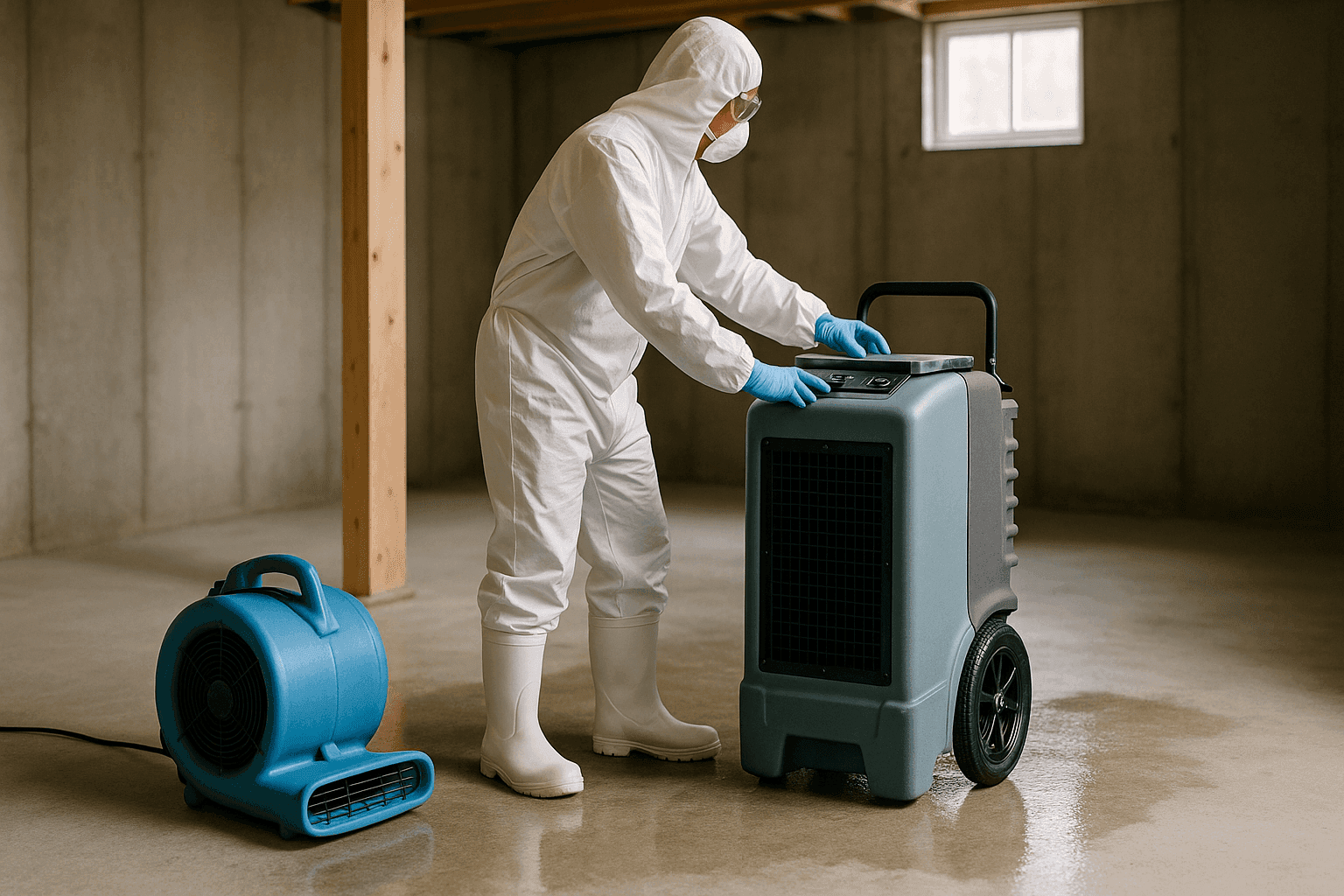
When water invades your home, anxiety rushes in with it. The clock is ticking and every minute counts for your safety—and your home’s future. At Origin Water Pros, we’ve seen firsthand how quickly a minor leak can spiral into a major mold problem. But you’re not powerless. Armed with expert know-how and a few key steps, you can stop mold before it takes root.
This guide is your step-by-step playbook for what to do after water damage. From basements to bathrooms, we’ll show you how to act fast, clean smart, and know when it’s time to call in the professionals.
Why Mold Grows After Water Incidents 🦠
Water damage and mold are as inseparable as thunder and lightning. When moisture lingers, tiny spores—always floating in the air—find their perfect breeding ground. Warmth, darkness, and dampness give mold the green light to spread.
According to the Institute of Inspection Cleaning and Restoration Certification (IICRC), mold can start growing in as little as 24–48 hours after water exposure. That means the sooner you act, the better.
Common triggers:
- Flooding from storms or freezes
- Burst pipes (especially in winter)
- Overflowing appliances
- Roof or window leaks
Why it matters:
Mold isn’t just ugly. It can damage your walls, floors, belongings, and even threaten your health. Rapid response is critical.
Immediate Drying Techniques
Your first defense against mold? Get things dry—fast.
Essential Drying Steps
- Remove standing water: Use a wet/dry vacuum for small puddles. For major flooding, search for “Water Extraction near you” and contact emergency professionals.
- Boost airflow: Open windows and doors if weather allows. Set up fans to move dry air across wet surfaces.
- Dehumidify: Rent or buy a dehumidifier. These machines pull moisture right out of the air, helping surfaces dry much faster.
- Lift and separate: Move furniture, rugs, and valuables off wet floors. Prop up cushions. Remove area rugs for separate drying.
- Check hidden spots: Moisture loves to hide—behind baseboards, under flooring, inside wall cavities.
Room-by-room tips:
- Basement: Place fans at low points. If the power is out, use battery-powered options or call professionals with temporary power solutions.
- Kitchen: Pull appliances away from walls. Open cabinets and drawers to let air circulate.
- Bathroom: Run exhaust fans. Towels, bathmats, and shower curtains should be washed and dried separately.
Pro tip: Don’t forget closets, under stairs, or storage rooms. Mold often starts where you’re not looking.
Cleaning and Disinfecting Tips
Water can leave more than just puddles—it often brings bacteria and debris.
Safe Cleaning Steps
- Wear gloves and masks: Protect yourself from contaminated water and mold spores.
- Remove debris: Bag up soaked items you can’t dry quickly.
- Use the right cleaners: IICRC recommends non-ammonia soap or detergent, followed by a disinfectant like diluted bleach (1 cup bleach to 1 gallon water). Never mix bleach with ammonia.
- Scrub all surfaces: Focus on floors, walls, and any porous material (drywall, wood, carpet).
- Rinse and dry: Wipe with clean water after disinfecting, then dry thoroughly.
Special situations:
- Sewage backup: This is a biohazard. Only professionals should handle sewage cleanup.
- Moldy items: If you see mold on soft goods (carpet, insulation, books), it’s often safest to discard them.
How to Spot Early Signs of Mold 👀
Stopping mold is a race against time. Early detection is your secret weapon.
What to look for:
- Musty, earthy smells—often before you see anything.
- Discoloration: Black, green, or white spots on walls, ceilings, behind wallpaper, or under sinks.
- Peeling paint/wallpaper: Moisture trapped behind finishes.
- Allergy symptoms: Coughing, sneezing, or itchy eyes indoors—especially after water damage.
Watch Out in These Rooms
- Basement: Look behind stored boxes and in corners.
- Kitchen: Check under sinks and behind appliances.
- Bathroom: Inspect caulk lines, grout, and around vents.
Tip: Use a flashlight to spot hidden mold in dark or tight spaces.
When to Call Professionals
DIY can only go so far. There’s a tipping point where calling an emergency water_damage team is the safest, smartest move.
Signs It’s Time to Call
- Water has soaked into walls, insulation, or floors for more than 48 hours.
- Visible mold covers more than a few square feet.
- Sewage or contaminated water is involved.
- Electrical or structural damage is suspected.
- There’s a persistent musty odor after cleaning and drying.
What Origin Water Pros can do:
- Commercial-grade Water Extraction
- Moisture mapping with advanced meters
- Sanitizing and disinfection to IICRC standards
- Mold remediation and odor removal
- Structural drying, flooring, drywall, and content restoration
We’re available 24/7, including storm nights, holiday weekends, and those unexpected freeze-thaw emergencies.
Common Mistakes Homeowners Make
Avoid these traps—they’ll save you time, money, and frustration.
- Waiting too long: Mold can begin within a day. Delays only make things worse.
- Not drying hidden areas: Moisture behind walls and under floors is mold’s favorite hangout.
- Skipping disinfectant: Water alone doesn’t kill bacteria or mold spores.
- Turning up the heat: Warm air plus humidity can actually help mold grow.
- Using household fans on contaminated water: Risks spreading spores to other rooms.
Room-by-Room Action Plan
Basement
- Move belongings to higher ground.
- Use sump pumps or call for Water Extraction near you.
- Deploy multiple fans and dehumidifiers.
- Monitor humidity with a meter (aim for under 50%).
Kitchen
- Unplug and move appliances.
- Clean and dry cabinets inside and out.
- Disinfect floors and wall bases.
- Don’t forget vent covers and under-cabinet spaces.
Bathroom
- Wash all fabrics (towels, mats, shower curtains).
- Scrub grout and tile with disinfectant.
- Run exhaust fans for hours or even days after cleanup.
Remember: Mold loves porous surfaces. If drywall or insulation feels soft or spongy, replacement may be needed.
Quick Safety Checklist
- Turn off electricity if standing water is near outlets or appliances.
- Wear protective gloves, boots, and a mask.
- Keep kids and pets away from affected areas.
- Avoid mixing cleaning chemicals.
- Don’t attempt sewage cleanup yourself—call professionals.
DIY vs. Call a Pro
DIY is OK when:
- Water is clean and limited to a small area
- All surfaces can be dried within 24 hours
Call a pro when:
- Water is contaminated
- It’s spread to multiple rooms or levels
- You can’t access all affected spaces
- You notice mold or persistent dampness
What Pros Do On Arrival
- Rapid assessment: Moisture mapping, checking for hidden pockets.
- Professional Water Extraction: Industrial pumps and vacuums for deep removal.
- Structural drying: Air movers, dehumidifiers, and heat drying.
- Sanitizing: Hospital-grade disinfectants per IICRC and CDC guidance.
- Restoration: Flooring, drywall, framing, and content drying.
- Odor and mold remediation: Removing spores and treating air and surfaces.
Prevention & Maintenance
- Fix leaks fast: Even a drip under the sink can breed mold.
- Control humidity: Use dehumidifiers in damp spaces.
- Maintain drains and gutters: Prevent stormwater from entering your home.
- Check seals and caulking: Especially around tubs, sinks, and windows.
- Routine inspections: Especially after big storms or freezes.
Costs & Time Factors
Mold prevention after water damage is a race—speed keeps costs down.
- DIY cleanup: Minor events, a few hours to a day.
- Professional drying & extraction: 1–3 days, depending on severity.
- Restoration (drywall/flooring): Up to a week for major rebuilds.
Variables: Room size, water source, materials affected, and how quickly you respond.
When It’s an Emergency
If you see rising water, smell strong musty odors, or suspect sewage—don’t wait.
- Turn off power if safe.
- Evacuate if structural stability is in question.
- Call emergency water_damage services immediately.
Frequently Asked Questions
How quickly should I act after water damage?
Within 24 hours. The sooner you dry and clean, the lower your risk for mold.
Can I use household fans instead of professional equipment?
For small events, yes. But for deep or widespread water, commercial air movers and dehumidifiers work much faster.
Is bleach enough to kill mold?
Bleach can kill surface mold on non-porous materials, but it doesn’t soak into drywall or wood. For porous materials, removal or professional treatment is often needed.
Local & Seasonal Considerations 🌧️
Storms, hurricanes, and sudden freezes can overwhelm even the best-prepared homes.
- Prepare ahead: Keep gutters clear, pipes insulated, and a plan for power outages.
- After storms: Do a quick home walk-through to spot leaks or hidden puddles.
- In winter: Watch for frozen pipes, especially in basements and crawlspaces.
If you’re facing emergency water_damage, don’t wait for mold to move in. Call Origin Water Pros now — or reach us anytime at 888-658-8893 .