Water Damage Restoration Costs: What Homeowners Should Expect
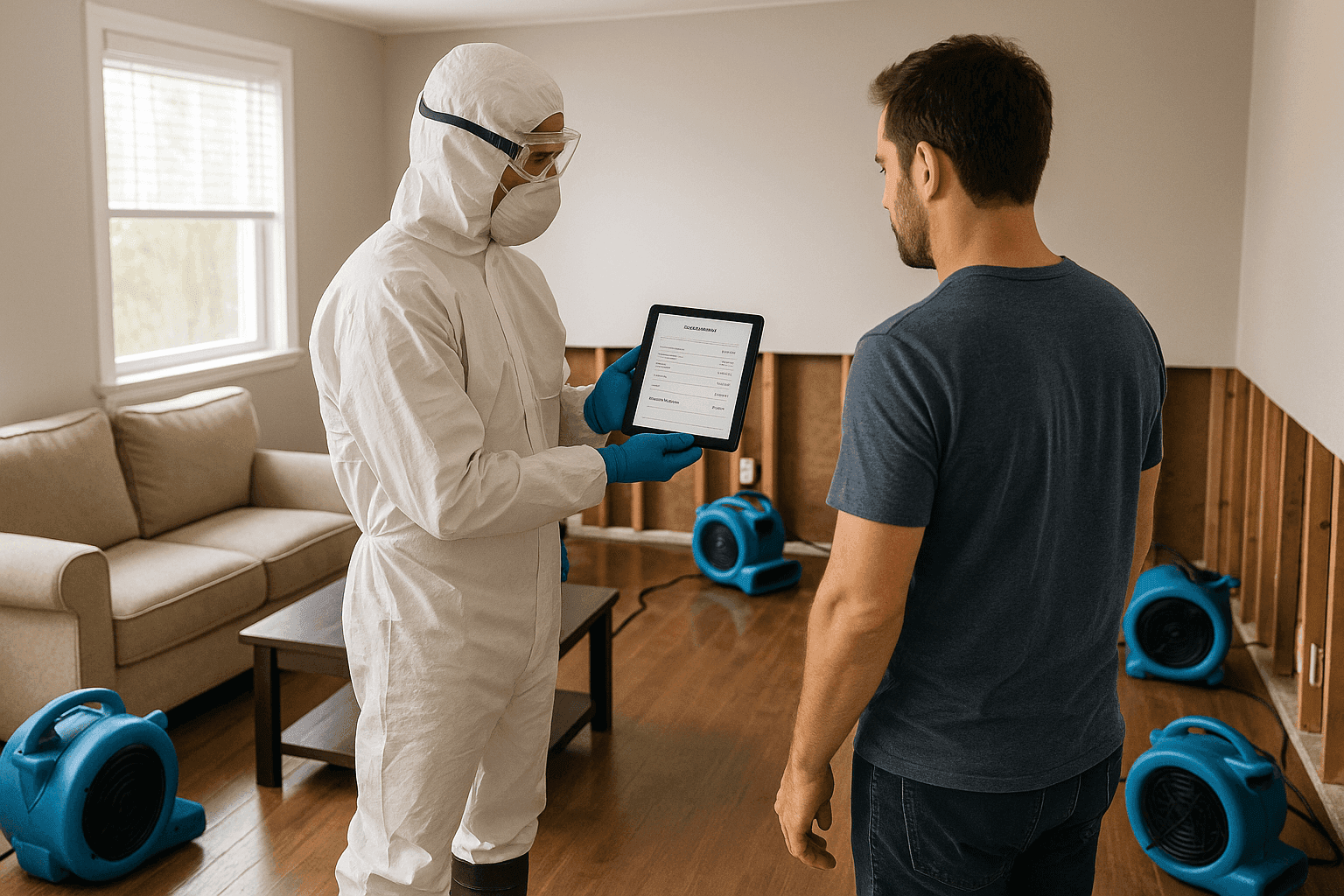
Water doesn’t wait for office hours. It seeps, soaks, and spreads—sometimes in silence—until your living room carpet squishes underfoot, or musty odors alert you to a hidden threat. If you’re reading this, you might already be in the thick of it, or you’re smartly preparing for the worst. Either way, knowing what to expect with water damage restoration costs can offer clarity when things feel out of control.
At Origin Water Pros, we’ve helped homeowners through minor leaks and major floods, 24/7. We believe in transparency, licensed standards, and helping you make confident choices—even when disaster strikes.
Common Types of Water Damage 🛑
No two water emergencies are quite the same, but most fall into a few recognizable categories. Think of them as the difference between a spilled glass and a burst pipe—one’s a quick mop-up, the other’s a race against the clock.
- Minor leaks: A slow drip from a supply line, under-sink puddles, or a washing machine overflow.
- Major floods: Broken pipes, appliance failures, or storm-driven water entering basements and living spaces.
- Sewage backups: “Black water” from toilets or drains—a health hazard needing specialized cleanup.
- Storm damage: Roof leaks, window breaches, or flash flooding.
- Mold outbreaks: The silent aftermath of slow leaks or poor drying.
Each type brings unique risks. Some are obvious. Others, like hidden moisture behind drywall, can quietly erode your home’s structure over time.
Service Breakdown and Typical Price Ranges
Restoring a water-damaged home isn’t a single task—it’s a relay race with multiple runners. Here’s how the process typically unfolds, and what each stage may cost:
Water Extraction
Fast removal is key. The longer water sits, the worse the damage. Expect costs to depend on the volume of water, accessibility, and whether contaminated (sewage) water is involved.
- Average range: Moderate leaks may run a few hundred dollars; large-scale extraction after a flood can climb to several thousand.
Drying and Dehumidification
Industrial fans, heaters, and dehumidifiers run for days, pulling moisture from studs, subfloors, and air. This step can’t be rushed.
- Average range: Costs vary with area size, material type, and drying duration—anywhere from several hundred to over a thousand dollars.
Sanitizing and Odor Removal
Standing water breeds bacteria and mold. Professional-grade cleaning agents and odor neutralizers are essential, especially after sewage incidents.
- Average range: $200–$1,000+, depending on the extent and type of contamination.
Mold Remediation
If mold is present, safe removal and air scrubbing are required. This is often billed separately due to specialized safety protocols.
- Average range: Small areas: a few hundred dollars. Widespread mold: thousands, especially if drywall or flooring must be replaced.
Structural Repairs & Reconstruction
Water can warp floors, buckle drywall, and weaken framing. Repairs range from patching up minor drywall to overhauling entire rooms.
- Average range: Minor repairs might stay under $1,000. Major restoration projects (floors, drywall, cabinetry) can run $5,000 or much more.
Content Restoration & Cleaning
Personal belongings may need cleaning, drying, or specialized restoration. Think furniture, textiles, electronics, and keepsakes.
- Average range: Varies widely—cleaning a few rugs is far less than restoring entire rooms of contents.
Every situation is unique, but most water damage projects will include several of these line items. A reputable provider—like Origin Water Pros—will itemize each, so you’re never left guessing.
Factors Influencing Total Cost
Imagine two houses, side by side. One suffers a minor leak, caught in hours. The other, a busted pipe while the family’s on vacation. The costs? Night and day.
Here’s what drives water damage costs up or down:
- Extent of Damage: The more square footage affected, the higher the price.
- Type of Water: Clean water is easier to handle than sewage or flood water, which require extra safety steps.
- Materials Involved: Hardwood floors and high-end finishes cost more to restore than basic carpet and drywall.
- Timing: The longer water sits, the more extensive (and expensive) the repairs.
- Access & Complexity: Is the damage under cabinets, between walls, or affecting multiple stories?
- After-hours or Emergency Service: 24/7 rapid response may carry higher rates, but waiting can cost even more in the long run.
Real scenario: A homeowner calls just hours after a toilet overflows. Quick extraction, drying, and sanitizing—modest cost and minimal disruption. Compare that to a basement flooding while you’re away for the weekend: waterlogged drywall, ruined flooring, hidden mold, structural repairs—the bill grows with every hour water lingers.
Insurance and Coverage Tips
Most homeowners hope insurance will cover their emergency water_damage. Reality? It’s complicated.
- Sudden, accidental events (like burst pipes or appliance failures) are often covered.
- Gradual leaks, neglect, or floodwater from outside are usually not included in standard policies.
- Sewage backups and storm-related flooding may require special riders.
Tips:
- Call your insurance provider as soon as possible. Document everything with photos and notes.
- Keep all receipts and restoration reports.
- If possible, work with a restoration company familiar with insurance paperwork—they can help clarify the process.
For official guidance, review resources from the Federal Emergency Management Agency (FEMA) and your state’s department of insurance.
How to Get a Reliable Estimate 💡
When water invades, stress can cloud your judgment. But a clear-eyed approach to hiring help can save you thousands—and headaches.
What to look for:
- Transparency: A trustworthy contractor will walk through your home, explain the scope, and break down line-item costs.
- Proper Licensing & Certification: Look for IICRC (Institute of Inspection Cleaning and Restoration Certification) or equivalent credentials.
- Detailed Written Estimates: Avoid “ballpark” numbers over the phone.
- References & Reviews: Ask for recent examples of similar work.
- No Pressure: Be wary of those pushing you to sign immediately or pay cash up front.
Red flag: Vague estimates, evasive answers, or refusal to provide credentials. If it feels off, keep looking.
Early Intervention: The Key to Lower Costs
Think of water damage like a small kitchen fire. Act quickly and you might just clean up some soot. Wait too long and you’re rebuilding half the house. The sooner you call for help, the smaller the bill, and the faster your home returns to normal.
Frequently Asked Questions
How fast should I act after finding water damage?
Immediately. The first 24–48 hours are critical to prevent mold and limit structural harm.
Can I handle minor water damage myself?
Small spills can be managed with towels and fans. If water has soaked into walls, floors, or carpeting—especially if the source is unclear or contaminated—call a pro.
Does insurance always cover water damage?
No. Sudden accidents are often covered, but gradual leaks, neglect, or flooding from outside sources usually are not. Always check your policy.
What if mold appears later?
Mold can be a sign of incomplete drying. Address it promptly with certified remediation to protect your health and home.
Final Thoughts
Water emergencies can turn life upside down, but knowledge is power. Understand the key cost drivers, insurance ins-and-outs, and what quality service looks like. Remember: early calls, clear estimates, and certified professionals mean a safer, faster recovery.
Call Origin Water Pros now — or reach us anytime at 888-658-8893 .